From municipal tenders in Radicondoli and Monterotondo Marittimo to the "Toscana diffusa" (widespread Tuscany), public funding is attracting residents and capital. Real estate professionals: "Inner areas are more dynamic, and foreign investors are gaining interest."
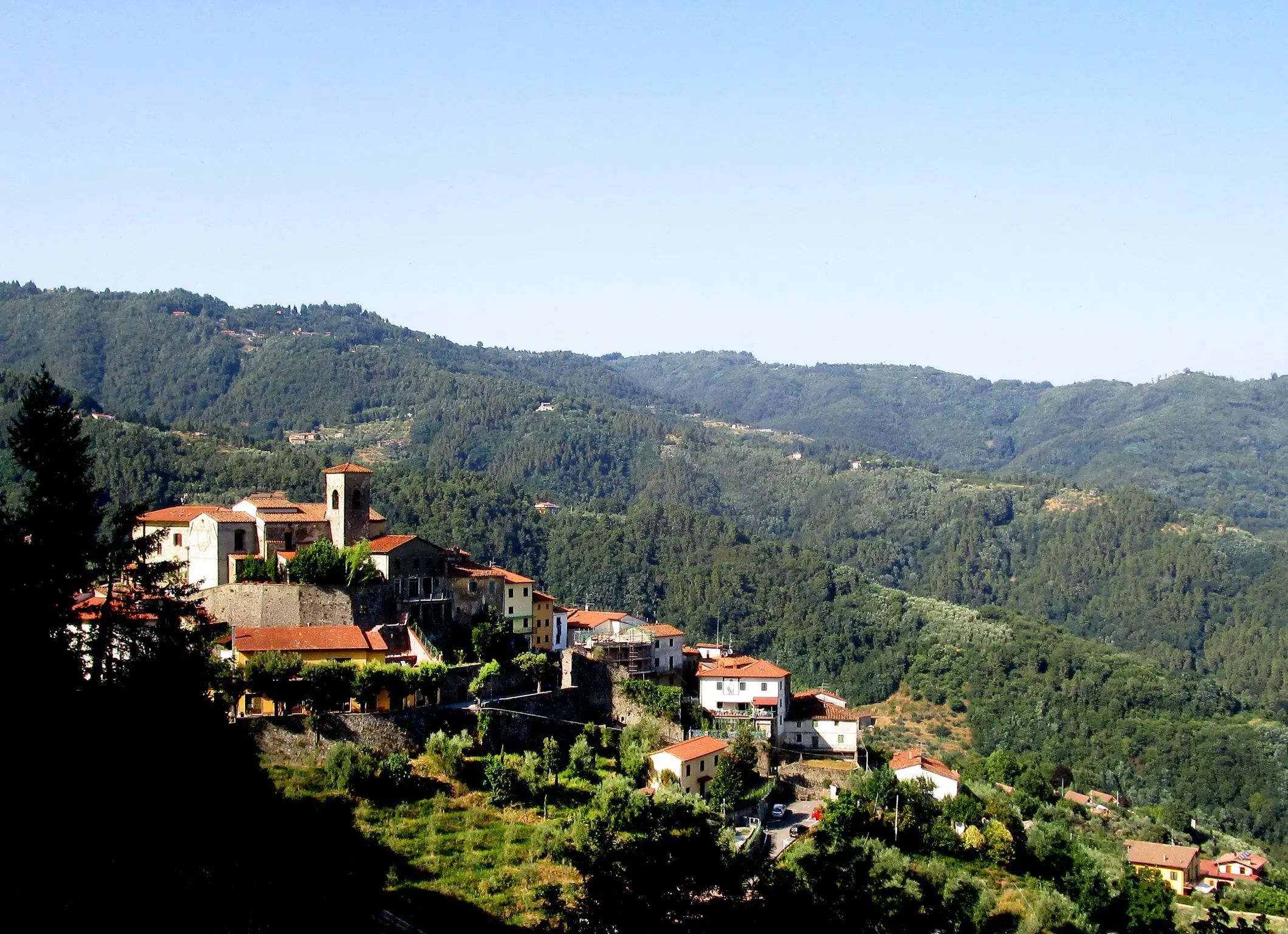
Florence, February 20, 2026. There's a countermovement from big cities to small towns. The Tuscan countryside is no longer just a picture-postcard dream. Those who dream of moving here have more and more options available. economic incentives Grants of up to 20,000 euros are available for buying or renting a home, thanks to calls for proposals promoted by municipalities and the Region with the aim of revitalizing small towns and combating depopulation.
Monterotondo Marittimo, the "Living 2025" call for proposals
Monterotondo Marittimo, in the province of Grosseto, has chosen the housing lever to attract new families and renovate existing buildings. The "Abitare 2025" call, open until September 1, 2026, provides a contribution up to 7 thousand euros for those buying their first home in the Municipality.
Stazzema leads the race for the villages
The Region launched the call for proposals "Residential housing in the territories of the so-called widespread Tuscany 2025," which closed last November and made non-repayable grants of up to 10,000 euros available for the purchase of a home in the municipalities of the so-called widespread Tuscany. Of the 90 applications accepted, the record number of requests for Stazzema (7), followed by Marliana (6), Vaiano with five applications, four each from the municipalities of Bagnone and Fivizzano, three from Sambuca Pistoiese, three from San Marcello Piteglio, three from the mountainous area of Sesto Fiorentino, and three from Vernio. These are signs of a rethinking of the geographies of living, in which mountains and hills are once again becoming viable options.
Fivizzano, Via Santissima Annunziata and Via Cosimo de' Medici will be redeveloped
The case has one euro
Some municipalities have put houses up for sale at the symbolic price of one euro to combat depopulation. This is the case of Vergemoli Factories, in the middle of the Garfagnana mountains, but also in Villa Basilica. Last year, the municipality in the province of Lucca, which has 1,500 inhabitants, approved a motion for houses for 1 euro. Anyone wishing to join must commit to renovate The purchased home, preventing it from being abandoned again. Operational details, such as how to participate, buyer requirements, and deadlines, will be announced through public notices that will be published on the institutional website once the preparatory phase is complete.
Learn more:
Radicondoli: Up to €20,000 for a first home
Among the most structured incentives is Radicondoli, in the province of Siena, where the "WivoaRadicondoli 3.0" project has provided a package of contributions for 2025 to attract new residents, support those already living in the village, and those who want to open a new business, with 14 housing-related calls for proposals. The call for proposals for purchasing a first home in Radicondoli, which closed last December 31, offered a contribution of up to 25% of the property's value, with a maximum limit of 10%. maximum of 20 thousand eurosThe support was adjusted based on age and income, with households with an ISEE of up to 24,000 euros and citizens under 40 receiving the maximum amount. In exchange, they committed to transferring their residence and maintaining it in the municipality for at least ten years.
Learn more:
There is not only the purchase: the rental tender, aimed at those who want to move to Radicondoli and take up residency for at least four years, covers 50% of the monthly rent up to a maximum of €200 for two years, for a total contribution of up to €4,800. To reactivate the frozen housing stock, the "Sblocca-affitti" (Rental Unlock) program has also been launched, aimed at owners who want to put their homes back on the market. at an agreed rateThose who undertake renovation work can receive a grant equal to 20% of the cost of the work, up to 3,000 euros. In addition to this, there are other family support programs, which can total up to 6,000 euros per year, including grants for district heating, commuter reimbursements, and school books. transport subscriptions public and university scholarships.
What's happening in the market
How do these incentives fit into the Tuscan real estate market? According to operators, a two-track dynamic is consolidating: stability in the capitals and new liveliness in quality internal areas.
“At the beginning of 2026, the Tuscan real estate market shows a substantial stability of values in the main cities and a more lively dynamic in the quality internal areas, where the protagonists return farmhouses, villages and small towns. International demand remains a key driver,” he comments. Gabriele Carratelli, founder of Carratelli Holding, a group active in medium-high and high-end real estate.
“Compared to 2025 – explains Carratelli – we are seeing a more selective market: we are not witnessing generalised price increases, but rather a strong polarizationWell-located, renovated properties with good energy performance maintain solid values and short sales times; on the other hand, energy-intensive homes or those in need of renovation are more susceptible to negotiation.
“Hillside or mountain towns in Tuscany – he adds – are experiencing renewed interest, especially from foreign buyers, in particular North Americans and Northern Europeans, attracted by authenticity, landscape and prices that are still competitive compared to the more iconic areas between Florence, Siena and Chianti”.
According to the group's analysis, in the segment of second homes and luxury residences in less central areas, demand has increased compared to the same period last year, with a greater incidence of foreign buyers. "For many international investors," he continues, "Tuscany represents a safe haven real: not just an emotional purchase, but a medium-long term financial choice”.
As for the role of calls for tenders, the judgment is cautious: "Support measures and municipal calls for tenders are useful tools for shining a spotlight on areas at risk of depopulation and for generating media interest, but they are not enough on their own. They work when they are inserted into a broader strategy which includes services, digital infrastructure, connections and bureaucratic simplification.
"In other words," he concludes, "the financial contribution may be the initial lever, but the choice to move or invest permanently in an inland area depends on the overall quality of life and the possibility of working, even remotely. Where these elements are present, we see concrete signs of repopulation and reactivation of the local real estate market".